
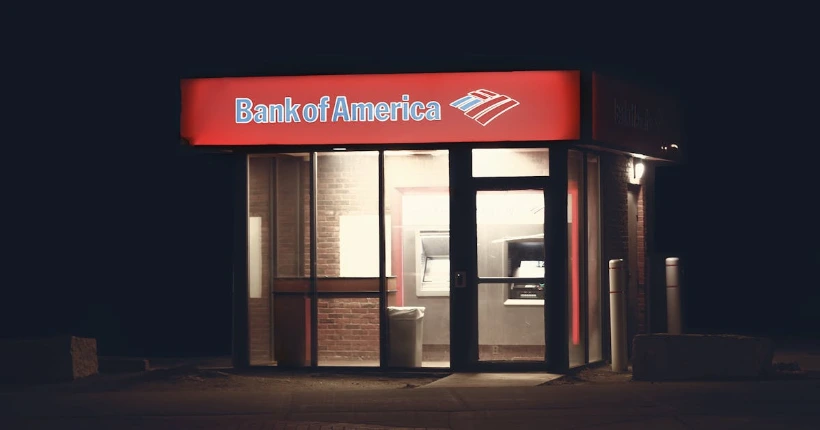
Did you catch the news about the recent arrests in Smith County? It sounds like something straight out of a movie. Local investigators (working with a multi-state task force), just busted a sophisticated hacking ring that was targeting ATMs right here in Tyler and Jacksonville.
This type of crime is called "jackpotting," and it has been showing up more frequently across East Texas, Oklahoma, and Arkansas. While the term sounds like someone hitting a lucky streak at a casino, the reality is a very calculated high-tech theft that has already cost local financial institutions hundreds of thousands of dollars.
What Exactly is ATM Jackpotting?
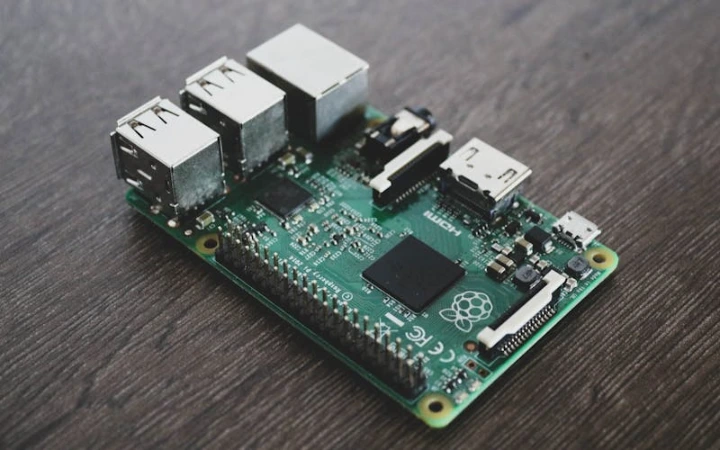
Unlike the "skimming" scams you usually hear about, where thieves steal your credit card number, jackpotting is an attack on the ATM machine itself. The criminals physically open a service panel on the machine and plug in a small, inexpensive computer called a Raspberry Pi. That little device then talks to a remote hacker who sends wireless commands to the ATM, tricking it into spitting out every dollar in its cash vault, sometimes in under two minutes.
According to reports from KETK News, these crews often have lookouts in separate vehicles and stay in constant communication with their "technical experts". One local case in Jacksonville alone resulted in a loss of over $160,000 from a single credit union ATM.
The Malware Behind the Attack: Ploutus
The software that makes jackpotting possible is a family of malware called Ploutus. It was first spotted in Mexico back in 2013, and newer versions (which we will not name here) have been documented by major security firms ever since. Instead of hacking through the internet, Ploutus targets a piece of software that basically acts like the translator between the ATM's computer brain and its physical cash dispenser.
Once the device is plugged into a service port and the malware is loaded, the crew can send a simple text message or a keyboard command to the machine. The ATM never asks for a card or a PIN. It just starts counting out bills like a change machine on demand. That is why the whole operation can happen so fast and why lookouts are critical to the crews pulling it off.
Quick Facts: Jackpotting in the U.S.
- First U.S. sighting: The Secret Service issued its first jackpotting alert to U.S. banks in January 2018.
- Preferred target: Standalone ATMs in pharmacies, gas stations, and drive-thru kiosks, away from bank lobbies.
- Typical haul: Tens of thousands of dollars per machine, often cleared out in under ten minutes.
- FBI guidance: The FBI has urged financial institutions to upgrade to Windows 10, apply vendor security patches, and install tamper alarms on service panels.
Is Your Money at Risk?
Here is the most important part for you to know: in a jackpotting attack, the thieves are stealing the bank's cash supply, not yours. Because they are bypassing the system that checks for your card and PIN, they generally never even see your personal account information. Your balance should remain exactly where it is.
That said, any time you use a public machine is a good time to slow down for ten seconds and look things over. We often talk about how keeping your home software safe is the first step in protecting yourself. Banks are now having to do the same thing for their outdoor machines. You can read more about the details of the East Texas arrests on KNUE.
How to Stay Safe at the ATM
- Choose Bank-Attached ATMs: Machines physically attached to a bank building are harder for thieves to tamper with unnoticed compared to standalone machines in parking lots or gas stations.
- Check for Loose Panels: Before you put your card in, take a quick look at the machine. If a panel looks like it has been pried open, or if there are wires visible where they should not be, walk away.
- Skip "Out of Service" Machines: The FBI has noted that crews often target machines that appear to be offline, because customers stay away and give the thieves more time to work.
- Trust Your Gut: If you see people loitering near an ATM in separate cars without actually using the machine, they might be lookouts. Find another location.
- Cover Your PIN: Even though jackpotting does not target your card, old-fashioned shoulder surfing and skimming are still very much alive.
- Keep Your Guards Up: Local scams in Smith County are always evolving, and scammers love to combine several tricks at once.
Why East Texas Has Become a Target
Tyler and Jacksonville sit at a convenient crossroads for interstate travel, and that unfortunately works in the favor of traveling crews. Suspects arrested in recent cases have come from out of state, bouncing between small-town credit unions and regional banks where security upgrades sometimes lag behind the big national chains.
Local law enforcement has responded quickly. The multi-agency task force that made the recent arrests included Tyler Police, the Smith County Sheriff's Office, the Jacksonville Police Department, the Cherokee County Sheriff's Office, and federal partners. Surveillance footage, license plate readers, and tips from alert bank employees were all part of the case.
Official Guidance
The FBI and other financial authorities have issued warnings about these trends, noting that criminals often target ATMs that are "Out of Service" or in rural areas where they have more time to work. You can find more information about reporting financial crimes through the FBI Internet Crime Complaint Center (IC3).
Where to Report Suspicious Activity
If you see someone tampering with an ATM or notice anything unusual at a local bank branch, please contact:
- Smith County Sheriff's Office: 903-590-2661
- Tyler Police Department: 903-531-1000
- Cherokee County Sheriff's Office: 903-683-2271
- Your specific bank's fraud department (the number is usually on the back of your debit card).
Need a Security Checkup?
Whether it is securing your accounts, walking through a scam-prevention checkup, or checking your home computer for malware, TechEase is here to help our Tyler neighbors stay safe. No jargon, no judgment, just patient help that makes sense.
Call or Text Robert at 210-550-2884
Book Your Security ReviewGod Bless! 👏