

There is a scam so cruel it is hard to believe it exists. Organized criminal networks monitor obituary pages and death records. The moment a spouse passes away, they start building a fake relationship with the surviving widow or widower. They call it a romance scam. I call it the lowest thing a human being can do.
I have had customers in Tyler come to me after losing thousands of dollars and sometimes their entire savings. Not because they were foolish, but because they were lonely, grieving, and a professional manipulator spent weeks making them feel loved before asking for money. These are real crimes committed by international organized gangs, not one-off con artists.
If you are recently widowed, or if someone in your family is, please read this from top to bottom. Then share it. It may save someone you know from losing everything.
📱 Watch the 60-second version
@robertfromtechease
🔍 What Is the Widow Scam?
The widow scam targets people who recently lost a spouse. Criminals scan obituaries and death notices online and, within hours, may already be reaching out to the surviving spouse on social media or dating platforms.
They create a fake profile designed to mirror exactly what a grieving person needs: someone who also lost a spouse, who shares the same faith, the same hobbies, the same values. Over weeks, they build a deep emotional bond. Then comes a financial crisis and a request for help. Once the money leaves, it almost never comes back.
📍 It Is Happening Right Here in East Texas
East Texas has been identified by federal prosecutors as a primary target area for transnational elder fraud networks. The U.S. Attorney for the Eastern District of Texas has made combating these crimes a top priority. Here is what has been documented in federal courts near us.
A transnational syndicate (United States v. Iribhogbe et al.) targeted elderly, recently widowed victims via online dating platforms and laundered millions through East Texas bank accounts before sending cash overseas.
Felix Clark targeted recently widowed seniors on dating sites, directing them to mail cash to Royse City addresses before routing the funds to Ghana.
A surge of digital fraud scams used cloned caller IDs and extreme urgency to coerce elderly Upshur County residents into moving their savings out of their accounts.
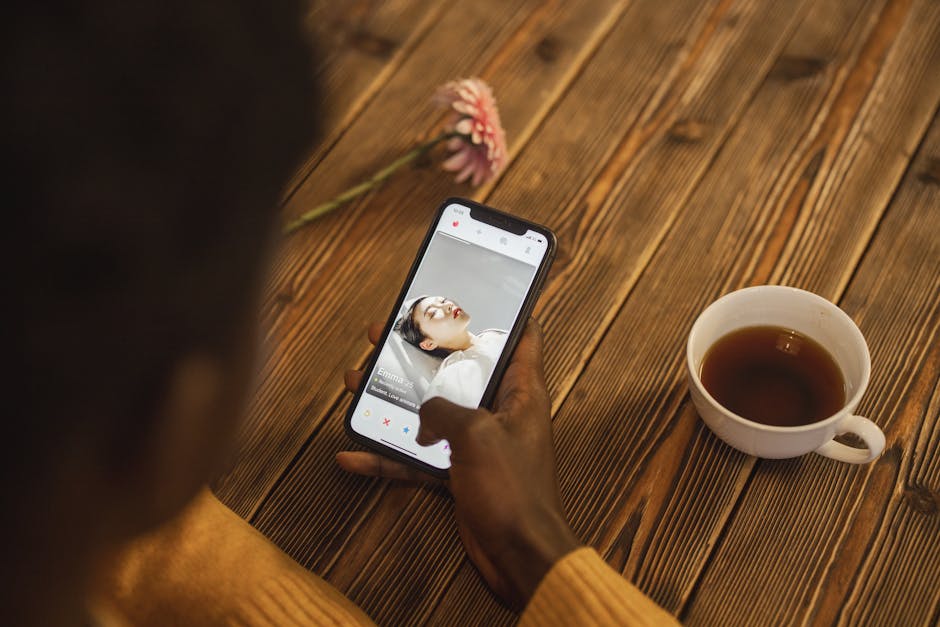
🚩 5 Red Flags You Are Talking to a Scammer
Within a few messages, they push you to switch to WhatsApp, Telegram, or SMS. They say the dating site is inconvenient. The real reason is that dating platforms have fraud detection. Private messaging apps do not.
Scammers steal photos of attractive, trustworthy-looking people. If the photos look too professional and the person seems almost too good to be true, upload one of their photos to Google Images and search it. You may find that face belongs to someone else entirely.
They are on an oil rig. They are on a military mission overseas. The meeting is always right around the corner and never happens. Every cancellation comes with a heartbreaking excuse designed to keep you emotionally invested.
When you ask for a video call, the camera is always broken or the connection bad. That is because the person does not look like their stolen photos. Some modern scammers briefly use deepfake software but keep calls very short.
There is always a crisis. Equipment broke on the oil rig. Customs is holding their belongings. They need gift cards, a wire transfer, or cryptocurrency to get through it. Every one of these payment methods is nearly impossible to trace or reverse once it leaves your hands.
✅ 5 Ways to Protect Yourself or Your Loved One
Right-click any profile photo and search Google Images. If the same face appears under multiple different names or on model websites, that person is using stolen photos.
No legitimate romantic partner ever asks for money before you have spent real time together in person. If someone you have only met online asks for financial help, that is the scam.
Scammers work to isolate their victims. Counter that by mentioning new online contacts to a son, daughter, friend, or pastor. A fresh set of eyes often catches what emotions make invisible.
When writing an obituary, omit the exact birth date, home address, specific military units, and names and cities of close family members. Scammers use that information to build fake connections that feel eerily real.
Contact Equifax, Experian, and TransUnion to place a deceased notice on your spouse's credit file. Request a credit report a few months later to check for any fraudulent activity opened in their name.
📞 Who to Call If This Has Happened to You
For more on protecting yourself and your family from scams targeting our community, read about the Fake Deputy Bitcoin Scam and how the Dollar General manager helped stop a $500 scam on a local veteran.
God Bless.
Robert
Owner, TechEase
"No jargon, no judgment, just patient help that makes sense."
📞 (210) 550-6884 | Transparent Flat-Rate Pricing | We Come to You